| Food / Hunting |
- The Inuit were mainly hunters, and relied heavily on the animals of the Arctic as their main source of food.
- Since very little vegetation could survive in the Arctic climate, the Inuit could not depend solely on plants for food.
|
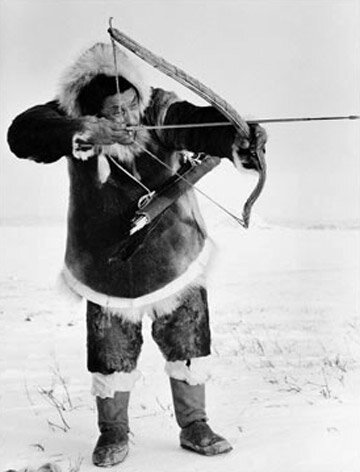
Inuit hunter with bow and arrow |
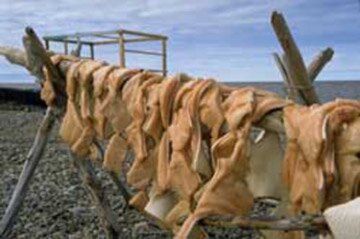
Making muktuk |
Hunting |
- The Inuit were skilled hunters, and caught food year-round, even during the harsh winters.
- The Inuit were able to hunt for food year-round, so depending on the season they would hunt for different animals.
- Sea Mammals
- Sea mammals were usually hunted during the winter when they were out on the ice. However, some sea mammals, like whales, were hunted in the open water.
- Some sea mammals - seals, walruses, beluga whales, narwhals
- What they were hunted for:
- Seal: meat and skin
- Walrus: ivory (tusks), and meat (mostly for the dogs)
- Beluga Whales: skin, food like muktuk (outer skin and blubber)
- Narwhal: ivory, meat for dogs
- Land Animals
- Some land animals that were hunted - caribou, musk oxen, arctic fox, polar bear, arctic hare, arctic birds
|
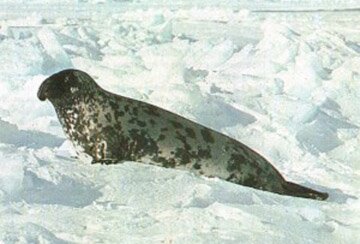
Hooded Seal |
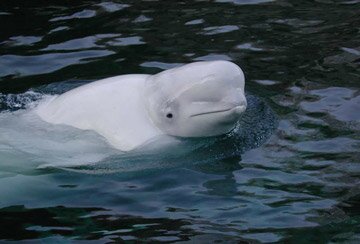
Beluga Whale |
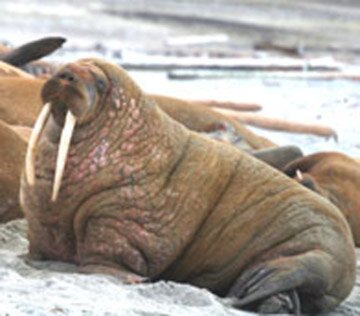
Walrus |
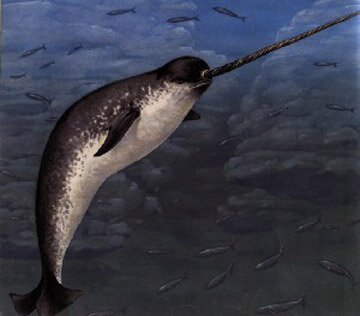
Narwhal |
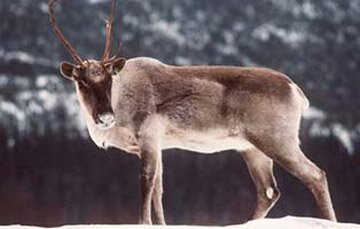
Caribou |
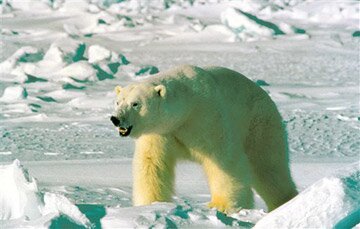
Polar Bear |
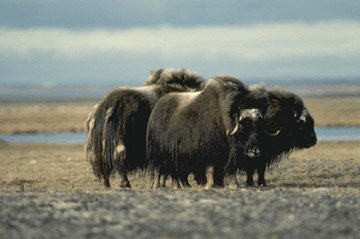
Musk Oxen |
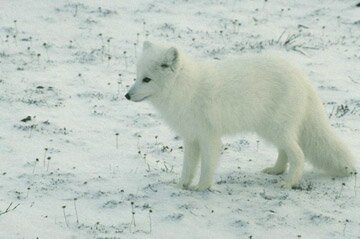
Arctic fox |
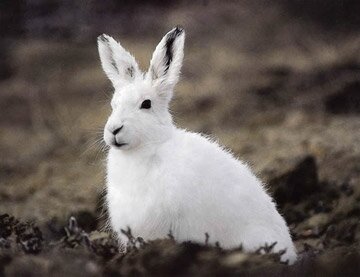
Arctic hare |
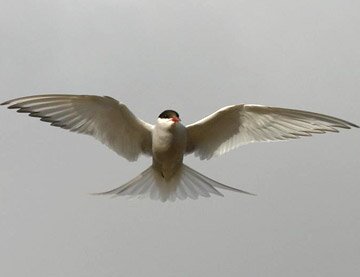
Arctic bird |
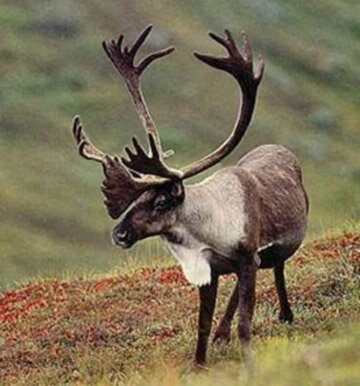
Caribou |
Summer Hunt |
- Summers were spent fishing and hunting caribou in the interior regions of the Arctic, and hunting seal and walrus along the coasts.
- One of the most important animals to the Inuit was the caribou. Caribou were hunted, mostly in the summer, for their meat and their skins.
- In the fall, the caribou would gather in large herds to migrate south to better winterfeeding areas, making them easier to kill.
|
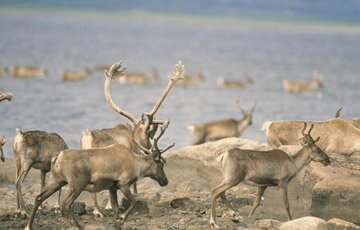
Caribou migration |
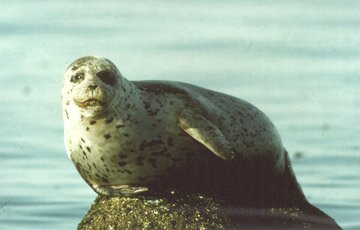
Seal |
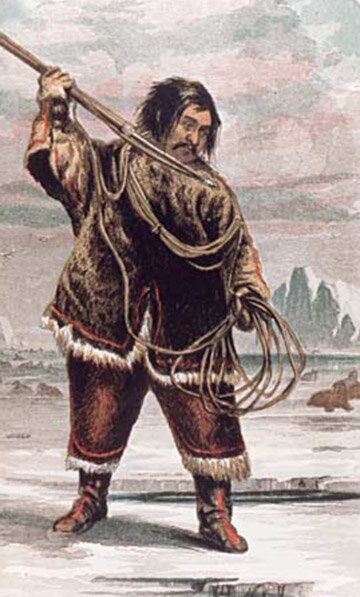
Seal hunter waiting at breathing hole |
Winter Hunt |
- Hunting and fishing was harder during the winter months because of the thick ice and snow that blanketed the Arctic, but the Inuit were still able to find food.
- Winters were spent seal hunting and ice fishing. In the interior regions, they also hunted caribou.
- Seals were the main source of food during the winter months.
- Sealskin and blubber were also used to make clothing, and materials for boats, tents, harpoon lines, and fuel for light and heat.
- Hunters would wait, sometime for hours, at a seal's breathing holes in the ice, then kill them with a harpoon when they came up for a breath.
- The Ringed Seal was the most important marine mammal, because they were a year-round source of food for the Inuit.
- However, the ringed seal hunting patterns did change with the seasons:
- October-November (ice cover starting to freeze): easy to find breathing holes in ice
- December-March (thicker ice and snow cover): harder to find breathing holes
- April-June: hunted the younger seal pups
- July-September (open water season): when most of the seals are hunted
|
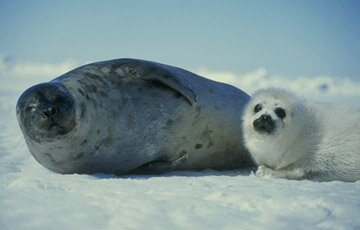
Harp Seal |
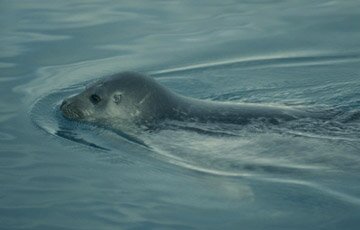
Ringed Seal |
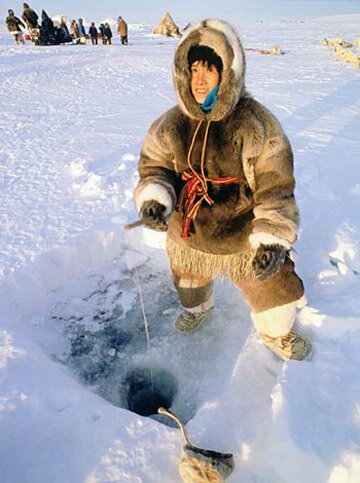
Ice Fishing |
Fishing |
- Fishing was also an important source of food for the Inuit, although it was more important in certain areas than others.
- They mostly fished for Arctic char, especially during their spring and fall runs. Whitefish and trout were also available.
- During the summer, the Inuit fished from boats called 'kayaks'.
- During the winter, the Inuit fished through holes in the ice.
|
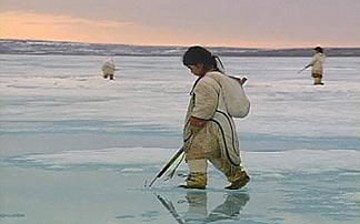
Inuit child fishing with harpoons |
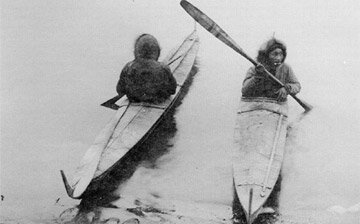
Men in kayaks |
| Preparing the food |
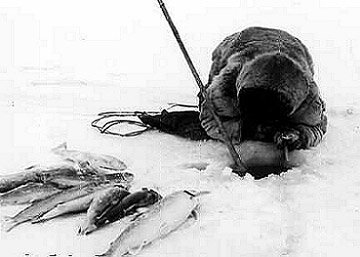
Netsilik man ice fishing |
- The Inuit had several ways of preparing meat and fish.
- The first way was to cook the meat and eat it fresh. However, this was not very common because of the shortage of fuel for cooking.
- The second method was to dry the meat as a way to preserve it.
- They also froze meat to save it, and eat it later.
- However, most of the meat was eaten raw.
|
|
| Tools |
- Most tools that the Inuit used were made out of stone, or parts of animals, like bone, ivory, antlers, teeth, and horns.
- When fishing, the Inuit attached sealskin floats to harpoon heads (with lines), which kept the animal close to the surface after being killed.
- Most harpoon heads were made out of ivory from walrus tusks or whalebone.
- To catch fish they also used fishing lines, nets, leisters and three-pronged spears.
- For hunting, the Inuit used spears, bow and arrows, clubs and stone traps.
- The Inuit used knives for cutting meat, and also snow and ice.
- A special knife that the Inuit used was called an 'ulu'. Ulus was used for skinning animals, preparing the animal skins, and buthchering.
|
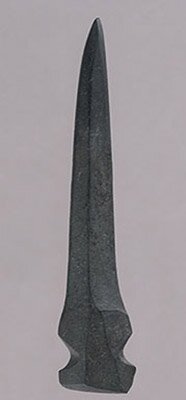
Stone knife |
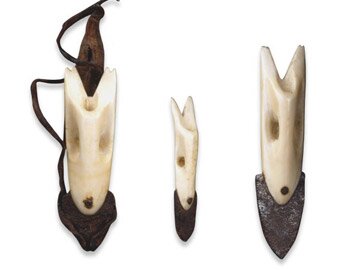
Ivory harpoon heads |
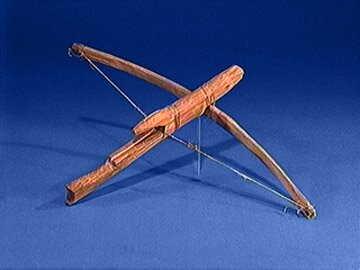
Bow and arrow |
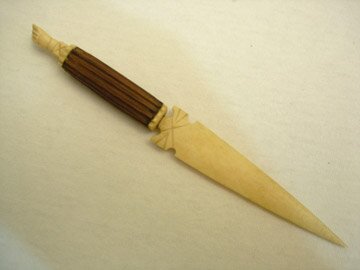
Knife of carved bone |
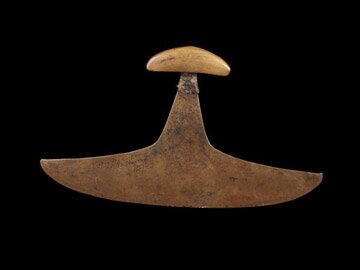
Ulu, muskox horn handle |
|
|











