| Eastern Woodland Farmers |
|
|
| The people of the Eastern Woodlands are classified into two main groups, the Iroquois (Eastern Woodlands farmers) and the Algonquians (Eastern Woodlands hunters). This division is based on the roots of their languages and their main source of food. |
| Arrival |
The Eastern Woodland Farmers came to the area around Lake Ontario over 12,000 years ago. |
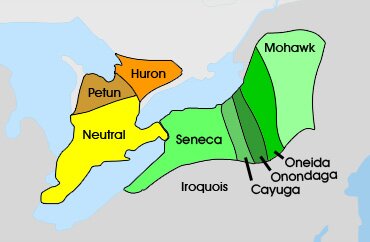
Map Source - The Canadian Encyclopedia |
| Location |
They inhabited the shores of the Great Lakes to the St. Lawrence River, and up towards Georgian Bay, in Southwestern and South-Central Ontario
|
| Language |
Iroquoian
|
| Nations |
The Huron, the Neutral, the Petun and the Iroquois
|
| Huron |
| Name |
The Hurons actually had a different name for themelves; the Wyandot or the Wendat. However, when the French arrived in Canada, their foreign ear could not distinguish the name, so they named the nation the Hurons, derived from French word Hure meaning rough or uncultured. |
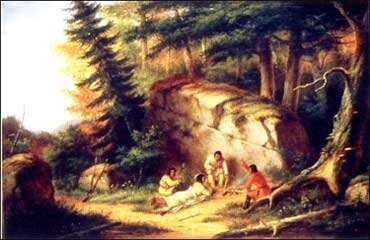
Huron Encampment |
| Peoples |
Deer, Bear, Cord, Rock |
| Location |
St. Lawrence Valley, Lake Ontario to Georgian Bay
|
| Population |
(1600s) 30,000 |
| Language |
Iroquoian |
|
| Neutrals |
| Name |
Samuel de Champlain called them Neutrals, because they were peaceful. |
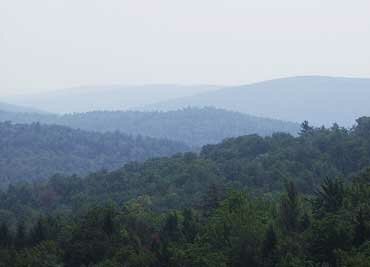
A view of Southern Ontario |
| Location |
Mainly between Hamilton and Brantford. |
| Population |
(1600s) 10,000 |
| Language |
Iroquoian |
|
| Petun / Tobacco |
| Name |
Derived from trading agricultural good Tobacco with the French.
|
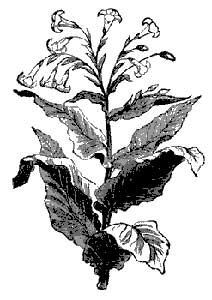
A Tobacco Plant |
| Location |
Lived between Hurons and Neutrals; Upper Great Lakes Region
|
| Population |
(1600s) smallest nation |
| Language |
Iroquoian |
|
| Iroquois |
| Peoples |
Seneca, Onondaga, Oneida, Cayuga, Mohawk |
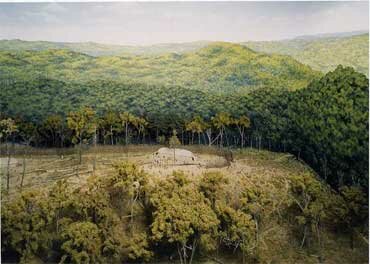
An Iroqois Village |
| Location |
South of Great Lakes. After 1640s, inhabit North Shores of Great Lakes. |
| Population |
(1700s) 12,000 |
| Language |
Iroquoian |
|
|
|
|
| Back to the top |
| Back to Canada's First Peoples Menu |
|
|











