| the northwest resistance | ||||||||
| The Duck Lake Fight - 1885 | ||||||||
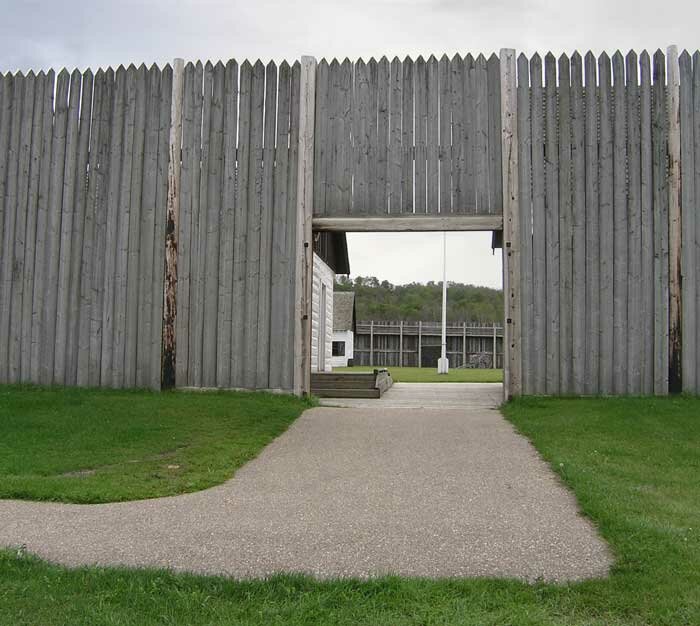
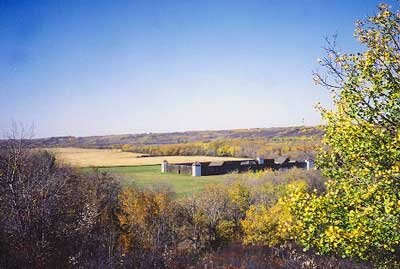 Fort Carlton, Northern Saskatchewan
|
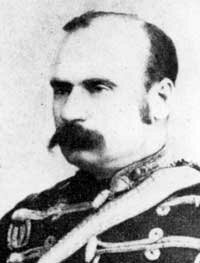
At Fort Carlton Police Superintendent Leif Crozier right was in charge of safety for the region.
The frontier was hotting up as Louis Riel below and his Provisional Government at Batoche wanted to take over Fort Carlton, and offered to let Crozier and his men to go free, in exchange for the Fort.
On March 25 the Métis raided several stores in Duck Lake looking for food and weapons. The following day, a force of 53 policemen and 47 armed civilians left Fort Carlton for Duck Lake.
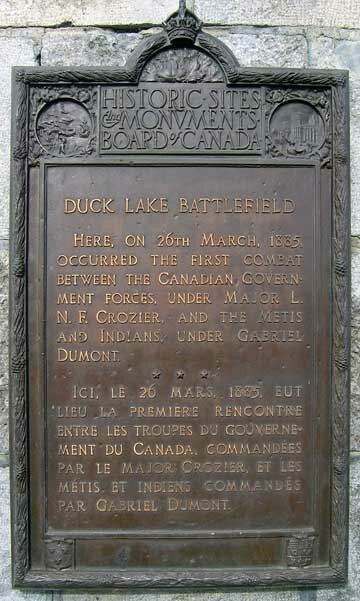
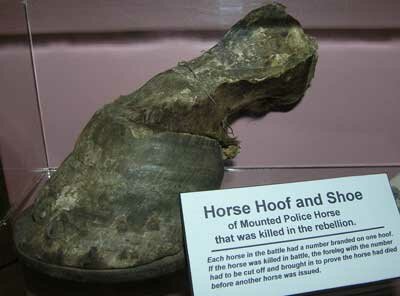
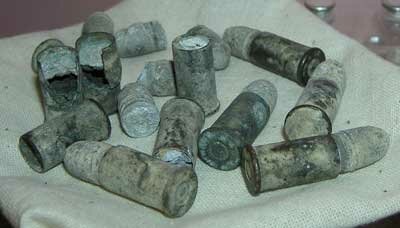
The Métis waited in hiding. To avoid hostilities Dumont's brother and a group of Métis approached the mounted force to talk. The situation became confused. A misunderstanding led to a grab for a gun, a rifle shot, and Gabriel Dumont's brother fell dead. Crozier ordered his men to begin shooting and one of the armed civilians fired a shot, and fighting broke out Five Métis and 12 policemen were killed. Eleven more men were injured, and some later died. After 40 minutes, the police were getting the worst of it, and so fled from the scene. Dumont wanted to chase the police as they retreated, but Riel intervened and held him back to prevent Dumont - angered over the cold-blooded killing of his brother - from having his men follow and kill the fleeing troopers. Some 17 of Crozier's men died as a result of the fight; Riel's group lost 5 men. The fight became known as the Battle of Duck Lake. The following day Crozier abandoned Ft. Carlton, which accidentally burned to the ground, after he left for the safety of Fort Battleford. A lamp that was kicked over started a fire when soldiers were mixing coal oil into flour they couldn't take and didn't want to leave for the Indians.
|
|||||||
|
|
||||||||
|
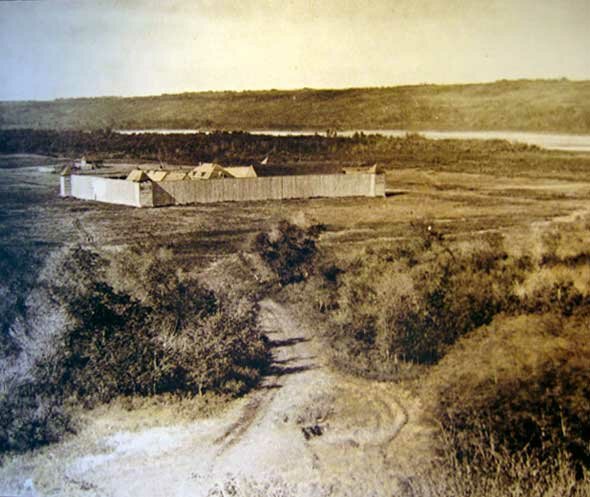
They returned, later in the day, severely bloodied, having left behind some dozen dead and many more wounded. In panic, they abandoned the fort and it burned to the ground. This photo dates from the 1870s and shows the fort as it looked when Treaty 6 was signed there in August 1876. |
||||||||
|
|
||||||||
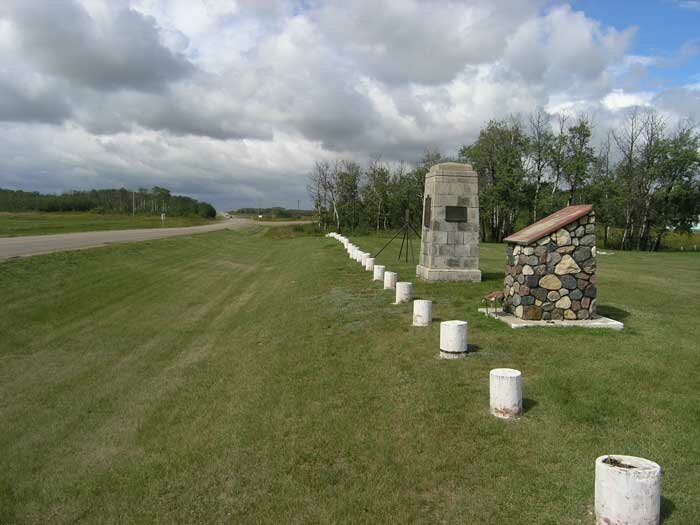 The same site today. The sleds had approached on the road from Fort Carlton in the distance, towards the Métis, including Louis Riel and Gabriel Dumont, who were making a stand here |
||||||||
 |
|
|||||||
|
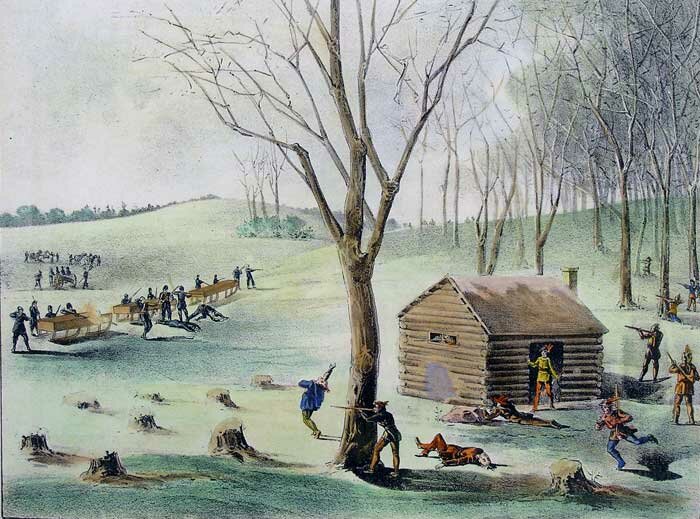
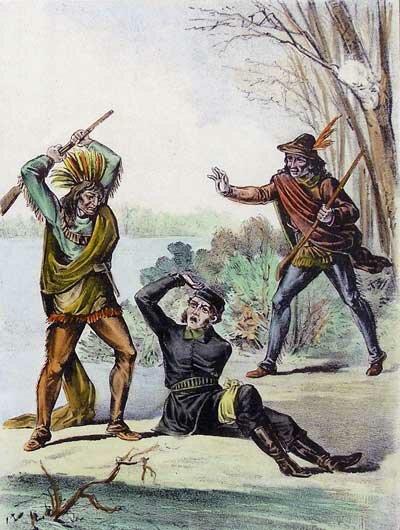
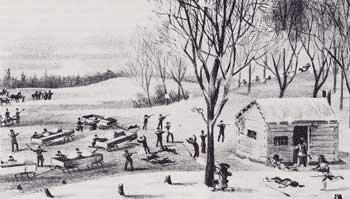
Before the age of photography, action pictures from historic events, at the best of times, were sketched by men who had seen the confrontation. Other times drawings were made second-hand, by artists listening to people who had been there. This, understandably, led to some fanciful creations about how things really looked. Like the ludicrous clothes of the Métis below. As more information became available, or real sketches arrived from the site, the previous - inaccurate - pictures would be updated to reflect a more true depiction of events. Above is an earlier, black and white, version of the coloured picture (top), and which was published on May 9, forty-four days after the fight - news from the west travelled slow in those days. Probably someone who had been at the event, complained when he saw it in the paper, and howled with laughter, about the placement of the opposing forces. The attackers and the sleds were a good deal farther from the cabin than shown here. These were then hastily pulled back by the artist in subsequent souvenir issues. |
||||||||
|
||||||||
| Back to the Top | ||||||||
| Copyright Goldi Productions Ltd. 2007 | ||||||||
|
 Great Canadian Heritage Treasure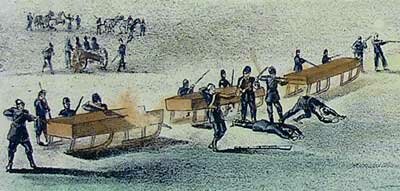
 Fort Carlton left in northern Saskatchewan, was the main Hudson's Bay supply post in the area, and had been reinforced by the Northwest Mounted Police (NWMP) during the unrest.
 Between Fort Carlton and Batoche was the Duck Lake store which held provisions and guns that would be useful to both the Mounted Police and Riel's men, should a conflict break out.
 The Métis under Gabriel Dumont left had already taken control of Duck Lake when the sledding group of 100 men under Superintendent Crozier from Fort Carlton arrived, looking for provisions.
 Go to Leif Crozier's House