| CONTACT & CONFLICT | ||||||||
| The Fur Trade | ||||||||
| Contact, Trade and Alliances between First Nations and Europeans |
||||||||
|
|
|||||||
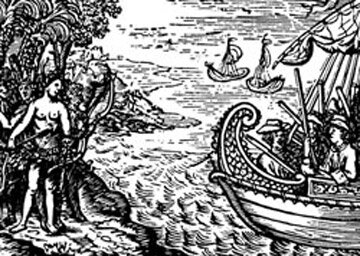
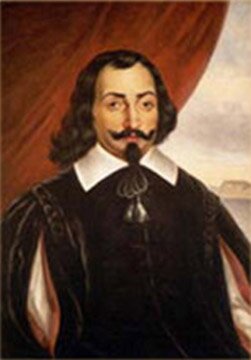
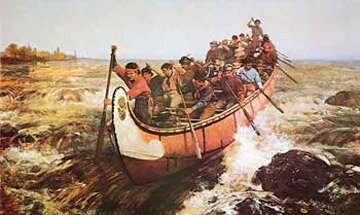
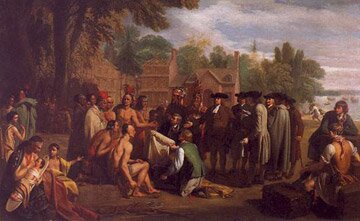
| Long before Europeans arrived, First Nations people were active traders, and had well established trading patterns and alliances throughout North America. Archaeologists have found plenty of evidence of early trade of items such as pottery, silver, and copper tools. Champlain founded Quebec and New France in 1608. The French eventually extended their influence and trade alliances from the east coast of Canada, along the St. Lawrence River, into the Great Lakes, and down the Mississippi River. The British established their foothold in North America north of French Canada, around Hudson's Bay, and to the south, with 13 colonies that eventually became the United States. |
|
|||||||
|
|
|
|||||||
| Beads | ||||||||
|
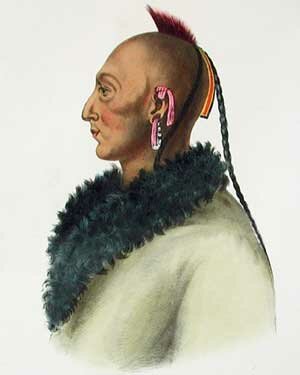
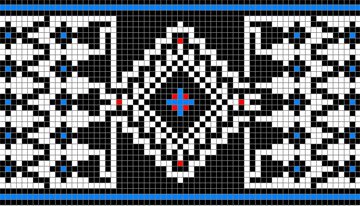
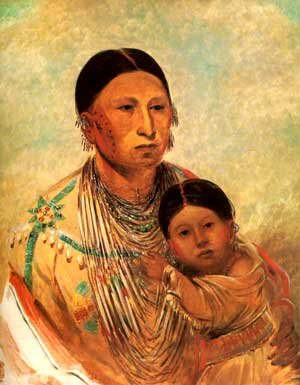
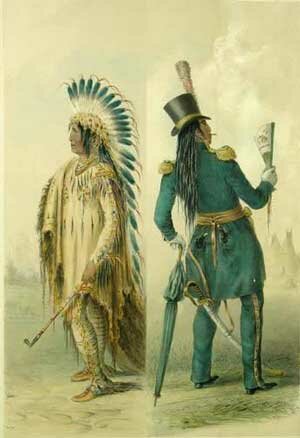
During the early exploration of Canada, Europeans traded cast metal beads made of silver, brass, and German silver to improve relations with First Nations people. Below Strutting Pigeon shows the variety of ways beads could be used on the head, neck, and clothing. |
||||||||
|
|
||||||||
| Competition & Warfare | ||||||||
|
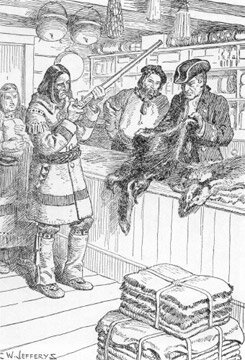
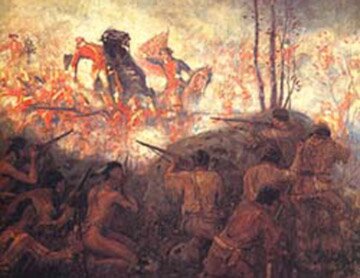
When the Europeans arrived, First Nations were eager to trade furs for metal knives, axe heads, pots, needles, muskets, cloth, and glass beads. The trade goods were quickly dispersed along First Nations' traditional trade routes, and the fur trade expanded rapidly. British Americans and their Indian allies launched attacks into Canada at various times. The French and their Indian allies would retaliate. In effect the traditional wars among the First Nations people were continued on during the 1600s and 1700s but backed up now by powerful European partners who were themselves traditional enemies. But traditional tribal warfare was now using much more sophisticated and destructive weaponry. And what had been war between Iroquois and Hurons was now superceded by war between the English (Americans) and the French. During the War of 1812 Indian allies played important roles in the conflict. Chief Tecumseh and General Brock formed a partnership that helped capture Detroit from the Americans. John Norton and his Iroquois warriors played a key role into striking fear into the American invaders at the Battle of Queenston Heights, on the Niagara Frontier, creating a psychology of panic that demoralized the American army leading to its defeat and retreat. |
||||||||
|
BORDERS |
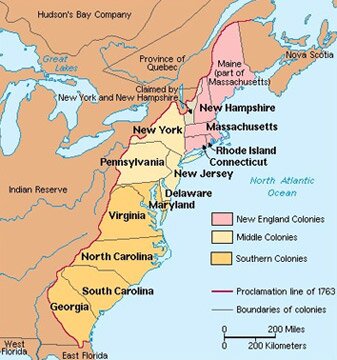 British trade areas north and south of French Quebec |
|||||||
| Alliances | 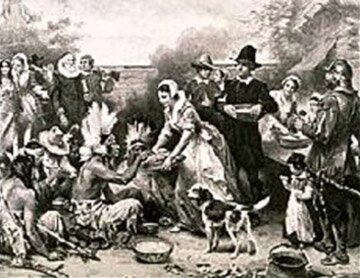 First Nations shared natural medicines with early settlers |
|||||||
| Alliances and trade were mutually beneficial to the Europeans and to the First Nations. The Indians had tools, skills, and knowledge, that helped the white man adapt to the new world. First Nations knew the waterways and travel routes. They also had medicines that saved the lives of the newcomers. The most important was spruce tea, which was full of vitamin C and prevented or cured scurvy, a dreadful vitamin-deficiency disease that killed many white people. European trade goods such as metal pots, axe heads, knives, needles, and guns, greatly improved the Indian lifestyle when these tools and weapons replaced those made of stone, pottery and horn. Glass beads replaced porcupine quills coloured with natural dyes. |
||||||||
How trade changed First Nations peoples As early as the 1830s Europeans and many First Nations people bemoaned the change that trade with the white cultures was having on the native way of life. |
Epidemics | |||||||
| Unfortunately, the Europeans also brought deadly diseases - measles, influenza, smallpox - to which the Indians had no immunities. After contact with the whites, many Native populations were decimated by epidemics. A smallpox epidemic in 1862 may have killed off one third of the Northwest Coastal people. Three quarters of the Micmac in New Brunswick probably died as a result of epidemics in the first hundred years after the white man came in the early 1600s. Samuel Hearne suggested that nine tenths of the Chipewyan may have died of a small pox epidemic in the 1700s. |
||||||||
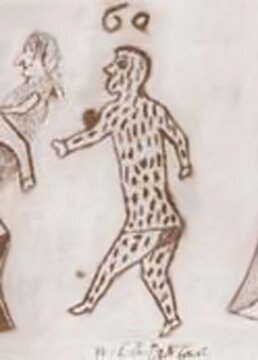 Native drawing of a person suffering from small pox |
||||||||
| Back to the Top | ||||||||
| Copyright Goldi Productions Ltd. 2007 | ||||||||
|